Philosopher · Citizen of Geneva
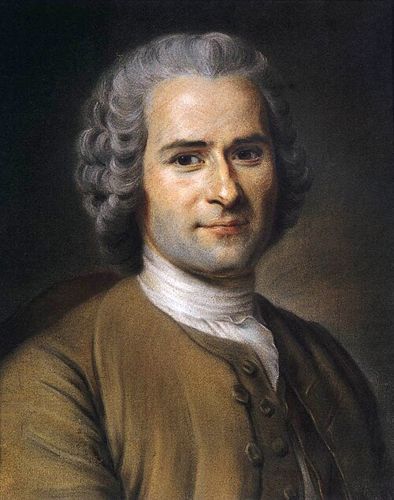
Jean-Jacques Rousseau
1712 – 1778 · Geneva → Paris → Ermenonville
He asked the question the modern state still cannot escape: how can a person obey a power over them and stay free? His answer — the general will — built the republics, and the revolutions, that followed.
- 1749Arts & Sciences
- 1755Inequality
- 1762Social Contract · Émile
- 1778Confessions unfinished
Born free, everywhere in chains
His opening line in the Social Contract is also his problem statement. A person born free ends up ruled — by kings, by custom, by the wealthy who fenced the common earth and called it property. The Discourse on Inequality argues the chains were forged in steps: agriculture, ownership, then government to protect the owners.
So legitimacy cannot come from force or from God's appointment. It can only come from the ruled themselves — an agreement where each person gives all of their rights to all, and so keeps them by taking them back as a citizen.
“Man is born free; and everywhere he is in chains.”
The general will
The will of all is what everyone happens to want — private interests summed, which cancel to nothing. The general will is what the people want for the people: the aim they share once private bargaining is set aside. A law drawn from it binds everyone equally, including those who wrote it.
60%
shared aim
28
citizens
This is the dangerous genius of the idea. It makes sovereignty belong to the people — no assembly, monarch or corporation can own it — but it leaves open who gets to say what the general will is. Rousseau meant a people legislating for itself; the Revolution later supplied interpreters.
“The fruits of the earth belong to us all, and the earth itself to nobody.”
Émile, and the natural man
The same year he published the Contract he published Émile, a book-length thought experiment in raising one child without the artificial desires society drills in: let the pupil learn from things, not from words; keep him dependent on reality, not on other people's opinion. Society corrupts, but a person formed against its vanity can still be free inside it.
Read together the two books make one argument: you cannot fix politics until you understand what power does to a person, and you cannot understand a person until you remove what power added.
Built on Rousseau
Every later argument about who owns the state — and who may act in its name — runs through him first.
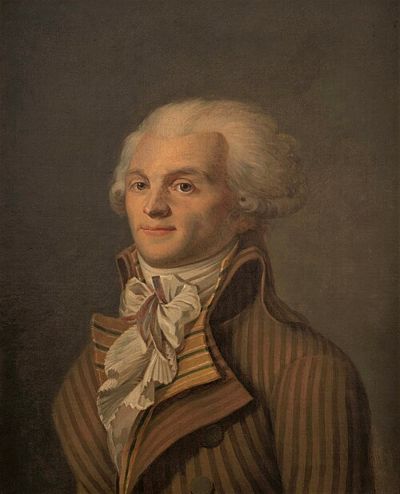
Maximilien Robespierre
1758 – 1794
Read the Social Contract as scripture and carried the general will into the state itself. Where Rousseau drew the line of legitimate law, Robespierre tried to enforce it — and showed what enforcing it costs.
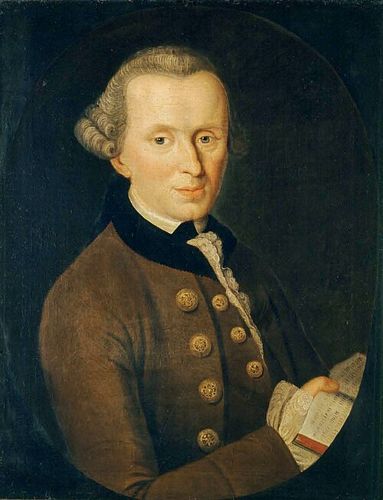
Immanuel Kant
1724 – 1804
Kept Rousseau's portrait on his wall and missed his daily walk the day Émile arrived. Freedom as obedience to a law you give yourself — Kant's autonomy — is Rousseau's contract turned inward.
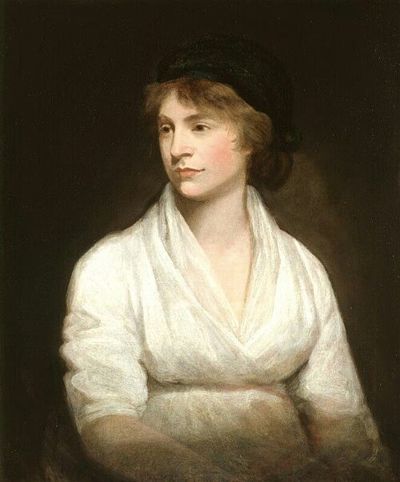
Mary Wollstonecraft
1759 – 1797
Agreed that reason makes us free, then asked why Rousseau's Émile gets an education for citizenship while Sophie gets one for pleasing him. The Vindication extends his argument to the half he left out.
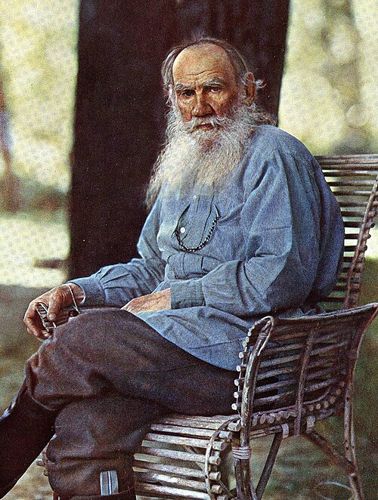
Leo Tolstoy
1828 – 1910
Wore Rousseau's portrait on a chain as a boy and called him the deepest influence on his life. The Correreau of the Confession is Tolstoy's own: a man stripped down to conscience.
“I am commencing an undertaking, hitherto without precedent, and which will never find an imitator.”